July 28, 2026 · 6 min read
Salted Caramel Without Fear
Caramel scares people because it goes from perfect to burnt in about fifteen seconds. Here is how I stopped being afraid of it.
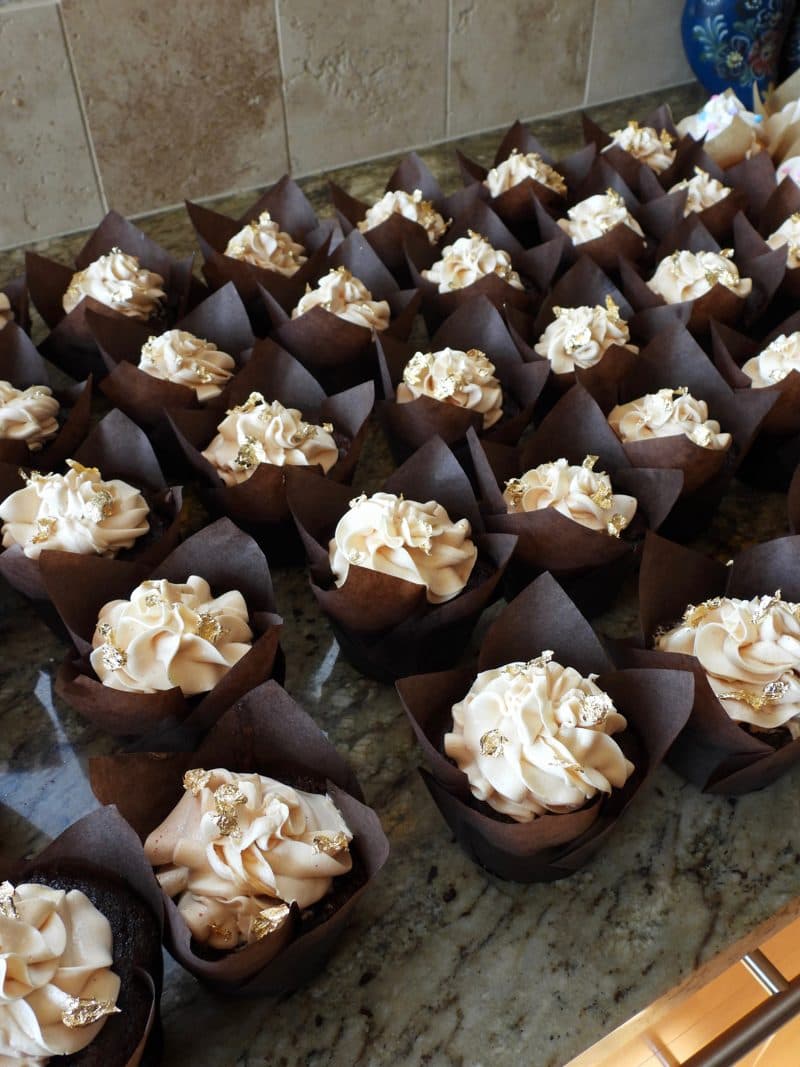
Caramel is the ingredient that separates a good bake from a memorable one, and it's also the one that most home bakers avoid. I understand why: sugar goes from pale gold to bitter black in the time it takes to answer a text. But once you understand what you're watching for, it becomes one of the most relaxing things to make.
Dry or wet?
There are two methods. A dry caramel is just sugar in a pan over heat. A wet caramel adds a splash of water to help the sugar melt evenly. I use wet for anything going into buttercream, because the even melt means fewer crystals and a smoother finish. Dry caramel is faster but less forgiving.
Watch the color, not the clock
Every stove is different, so timings in recipes are guesses at best. Instead, keep a white plate nearby and drip a little caramel onto it every so often. You're looking for the color of an old penny — a deep amber with a reddish cast. Lighter than that and it will taste merely sweet; darker and it turns bitter.
The salt matters more than you think
Use flaky sea salt, and add it after the cream, once the caramel has cooled slightly. Salt added to boiling sugar dissolves completely and disappears. Salt added at the end stays in tiny pockets, so every few bites you get a little burst of it against the sweetness. That contrast is the whole point.
Turning it into buttercream
Let the caramel cool to room temperature — this is not optional — then beat it into a Swiss meringue buttercream a spoonful at a time. Too warm and it will melt the butter; too cold and it will seize into ribbons. Room temperature caramel folds in like silk.
Keep reading